What Materials Are Used to Make Eco-Friendly Toys?
Choosing toys for a child in the UAE has become as much about health and safety as it is about fun. Parents in Dubai, Abu Dhabi and Sharjah increasingly ask what a toy is actually made of before they buy it, especially for babies who put everything in their mouths. This guide walks you through the main materials used in genuinely eco-friendly toys, how to check quality when you shop, and the small red flags that separate a truly natural product from clever marketing.
Why materials matter
The case for natural over synthetic
Conventional plastic toys often contain phthalates, BPA and heavy-metal pigments. Regulators such as the European Chemicals Agency have restricted several of these substances in children’s products, and the UAE follows similar standards through ESMA conformity marking. Eco-friendly materials sidestep most of these concerns from the start, because they are either grown, harvested from renewable sources, or recovered from existing plastic waste.
Step by step: the main eco-friendly materials to look for
Sustainably sourced wood
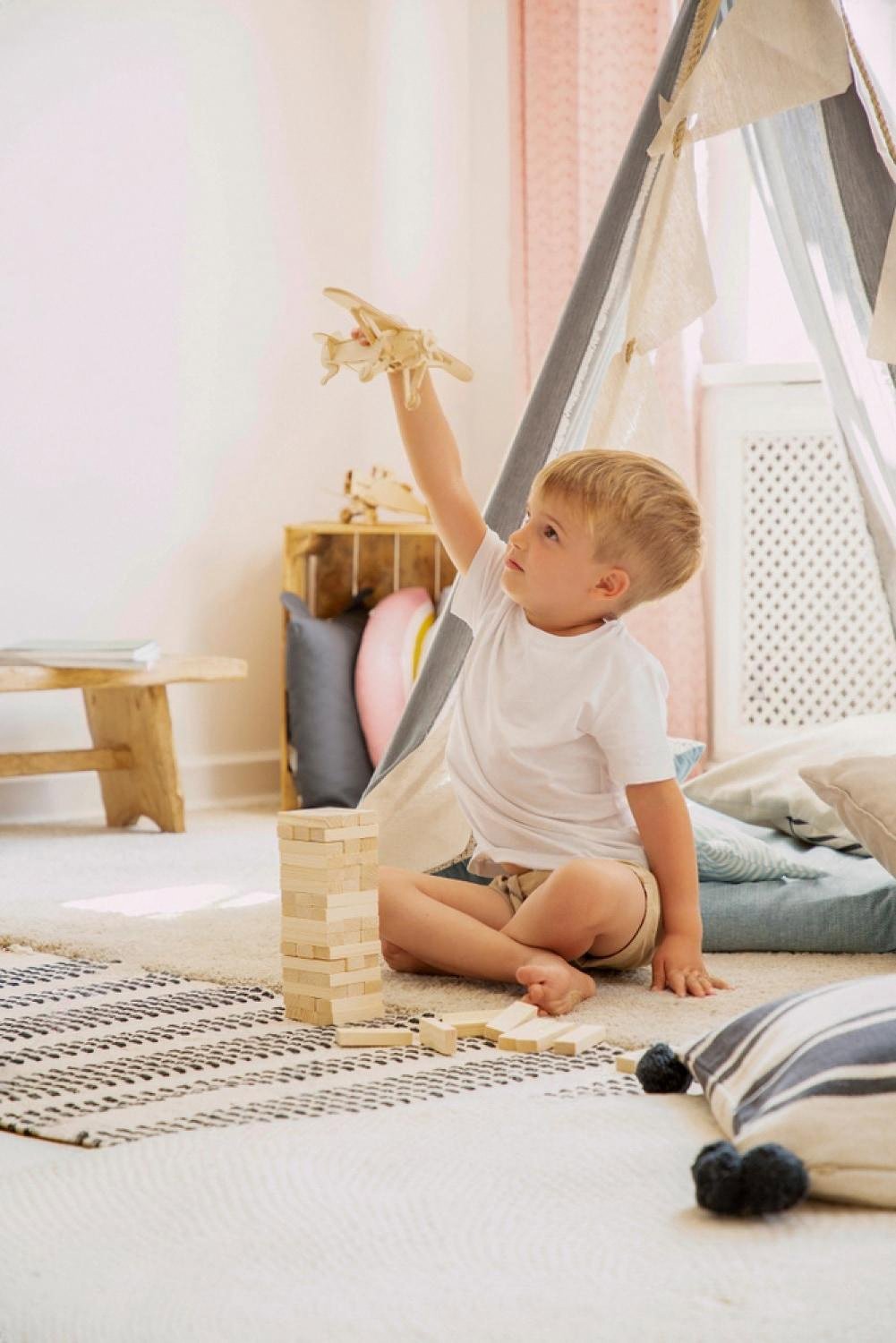
Wood is by far the most common material in eco-friendly toys. Beech, maple, birch and rubberwood are used for building blocks, busy boards, stackers, puzzles and pull-along animals. Look for the FSC mark, which confirms the timber comes from responsibly managed forests. Wooden toys are durable, biodegradable at end of life, and develop a soft patina that plastic never will.
Natural rubber
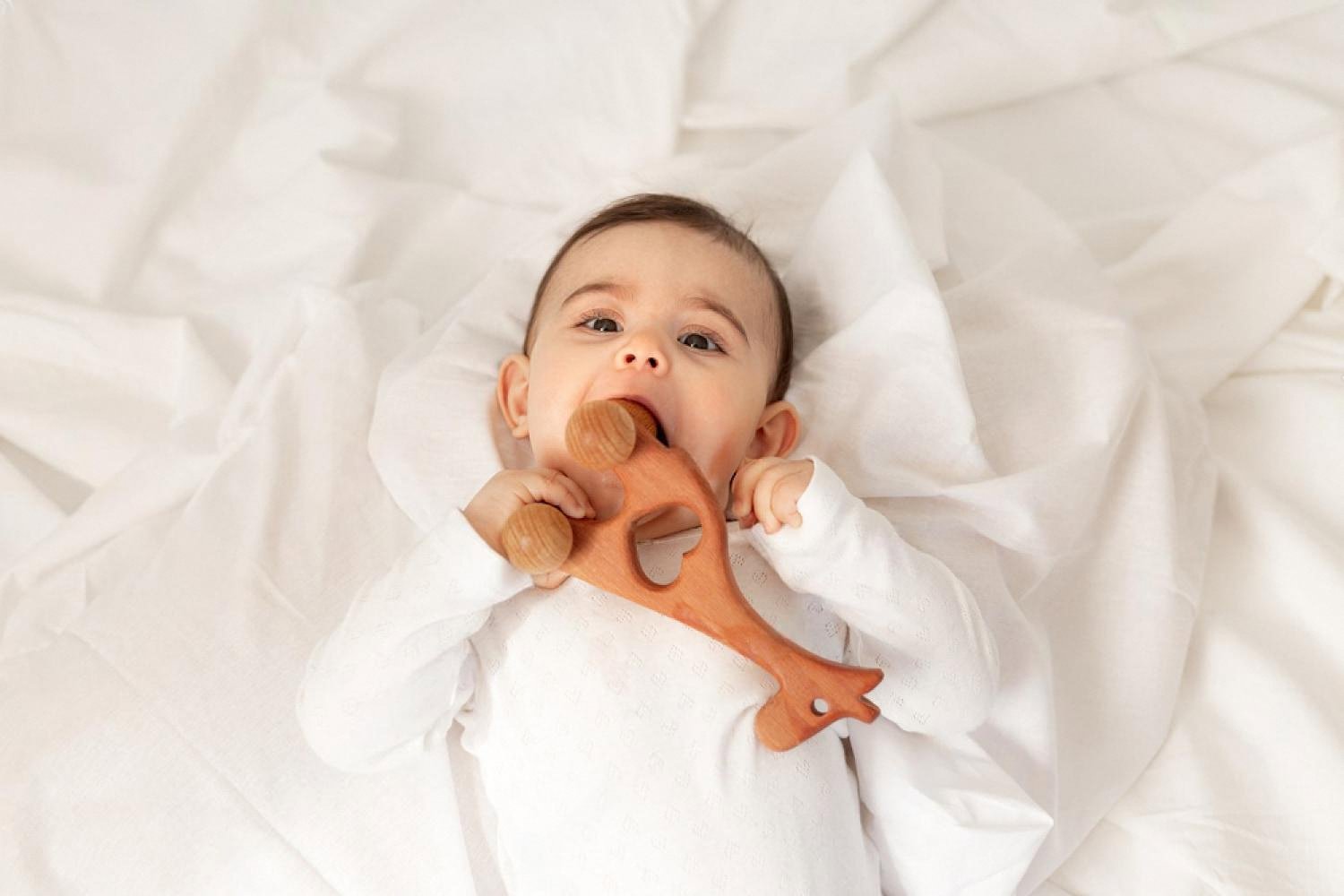
Tapped from the Hevea brasiliensis tree, natural rubber is used for teethers, bath toys and soft squeeze figures. It is a much safer choice than generic “rubber” toys, which are usually PVC. Natural rubber is free of BPA, PVC and phthalates, and it has a mild, honey-like smell rather than the chemical odour of synthetic alternatives.
Recycled plastic
Not every eco-friendly toy has to be wooden. A growing category uses post-consumer recycled plastic, often from milk jugs or ocean waste, to make sandbox tools, ride-ons and outdoor sets. The material is inert, sturdy, and diverts waste from landfill. Reputable brands publish the exact recycled content, usually between 90 and 100 percent.
Organic cotton and linen
Soft toys, comforters and doll clothing made from GOTS-certified organic cotton or linen are gentle on sensitive skin and free of the pesticide residues found in conventional cotton. Linen in particular is a strong option in the Gulf climate because it breathes well and resists mildew.
Wool stuffing
Instead of polyester filling, quality plush toys use carded wool. Wool is naturally antimicrobial, temperature-regulating and, according to the material’s basic properties resists dust mites better than synthetic fibres. This makes it a smart pick for children prone to allergies.
Bioplastics and bamboo composites
Newer toys use plant-based plastics made from corn starch (PLA) or sugarcane, sometimes blended with bamboo fibre. These materials biodegrade under industrial composting conditions and behave much like traditional plastic during play, without the fossil-fuel footprint.
Before you buy
A quick checklist for parents
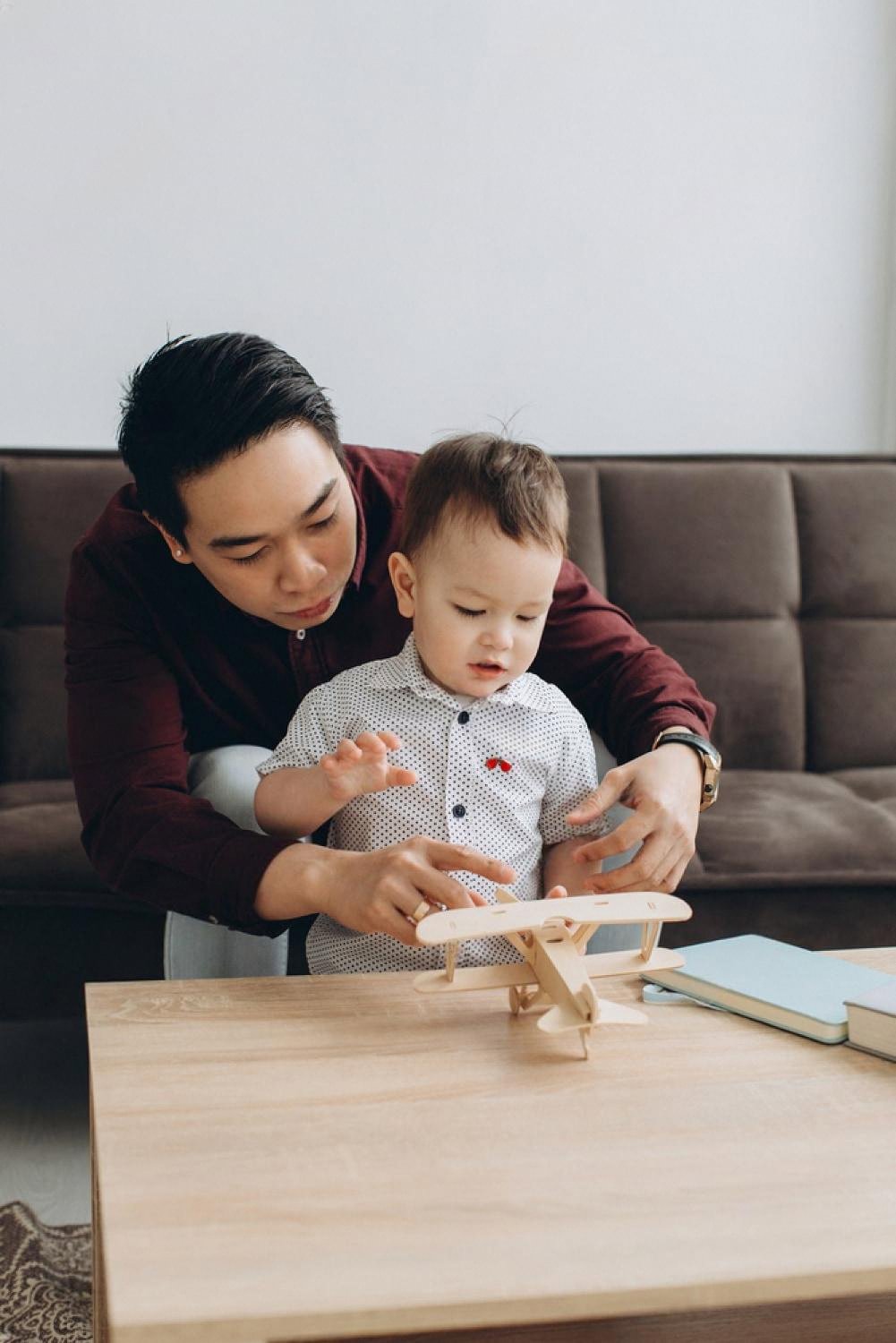
- The listing states the exact material, not vague terms like “eco wood” or “safe plastic”.
- Paints and finishes are described as water-based or food-grade, using vegetable dyes or beeswax.
- There is a recognised certification: FSC for wood, GOTS for textiles, OEKO-TEX for dyes, or FDA-grade for teethers.
- The toy carries the UAE ESMA ECAS mark or a CE mark for imported goods.
- Packaging is minimal and recyclable, usually cardboard rather than blister plastic.
- The seller provides a country of origin and, ideally, the name of the workshop or factory.
In the UAE
Where to find the real thing
Dubai, Abu Dhabi and Sharjah now have a handful of specialist retailers that carry properly certified wooden and natural-rubber toys, alongside the usual mall chains. A dedicated children’s toy shop that focuses on sustainable brands will usually publish material sheets and certification numbers for each product, which is the fastest way to check quality before adding to your basket.
If you are shopping in a general store, ask to see the packaging insert. Reputable eco-toy makers list materials, finishes and certifications there, not just on their website.
Common questions and mistakes
The most frequent mix-up is confusing biodegradable with recyclable. A bamboo cup will break down in a composter, but it is rarely accepted in curbside recycling. The reverse is also true: recycled plastic toys are recyclable again at end of life, but they will not biodegrade. Both are useful, they just belong in different waste streams.
Another common issue is the finish rather than the base material. A wooden block is only as safe as the paint on it. Cheap wooden imports sometimes use lacquers with high VOC content, which defeats the purpose. Water-based paints and natural oils such as linseed or beeswax are the standard for children’s products.
Finally, temperature matters in the Gulf. Natural rubber teethers should not be left in a hot car, and untreated wood can crack in air-conditioned rooms if humidity swings too far. A quick rub with food-grade mineral oil once every few months keeps wooden toys in good shape.
Frequently asked questions
Are wooden toys really safer than plastic ones?
In most cases, yes. Solid wood contains no phthalates, BPA or softeners, and if it is finished with water-based paint or natural oil there is nothing harmful to leach out during chewing. The one caveat is finish quality, so always check that the wood is FSC-certified and the paint is described as non-toxic and water-based.
Is natural rubber safe for teething babies?
Natural rubber teethers are one of the safest options available. They are soft on gums, free of BPA and PVC, and biodegradable at end of life. Just avoid boiling them to sterilise, warm soapy water is enough, and check for any small cracks before each use.
What certifications should I look for when shopping in the UAE?
Look for the ESMA ECAS mark, which is required for children’s products sold in the Emirates. For material-specific quality, FSC covers wood, GOTS covers organic textiles, and OEKO-TEX Standard 100 confirms textiles are free from harmful substances. A CE mark from European imports is also a strong sign.
Can recycled plastic toys really be considered eco-friendly?
Yes, provided the recycled content is high and the plastic is food-grade. Recycled plastic toys keep material out of landfill and use far less energy to produce than virgin plastic. Ask the brand what percentage of recycled content the toy contains, quality manufacturers will state it clearly.
How do I clean and maintain wooden toys in a hot climate like the UAE?
Wipe wooden toys with a damp cloth and a drop of mild soap, then dry them immediately. Do not soak them or run them through a dishwasher. Every few months, rub a thin layer of food-grade mineral oil or beeswax over the surface to keep the wood from drying out in air-conditioned rooms.
Are eco-friendly toys more expensive?
The upfront cost is usually higher, but the toys last much longer. A well-made wooden set often passes from one sibling to the next, which is why families in the UAE tend to see them as an investment rather than a disposable purchase. Buying fewer, better toys also reduces clutter at home.
Do eco-friendly toys really help with allergies?
Natural materials like organic cotton, linen and wool are less likely to trigger reactions than synthetic fabrics treated with dyes and finishes. Wool in particular resists dust mites, and untreated wood carries no chemical residues. If your child has a known allergy, always confirm the specific certification of the material before buying.

“Stop chasing the money and start chasing the passion.”
— Tony Hsieh